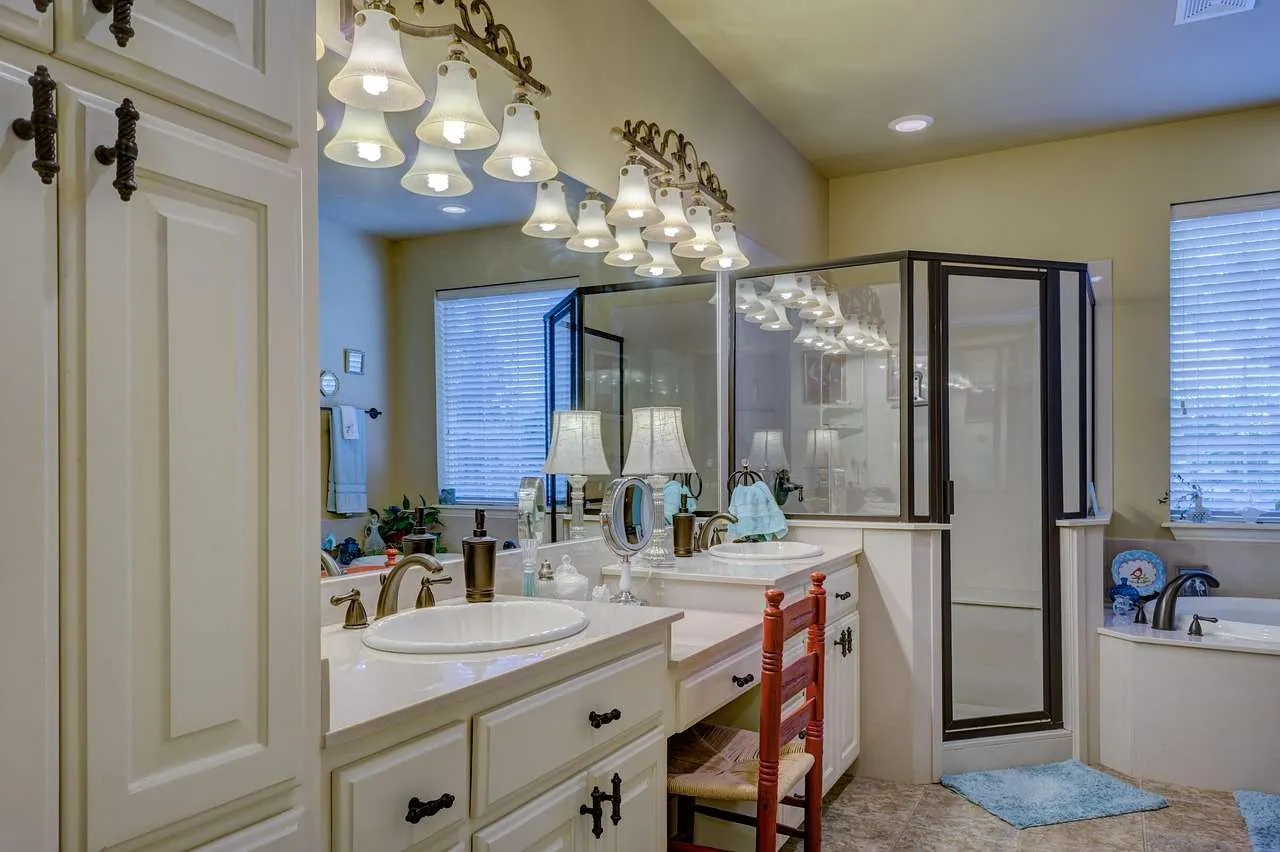
Small bathrooms present a design challenge, but with thoughtful planning you can create a space that feels calmer, more functional, and visually larger. This guide shares practical small bathroom ideas that balance layout, storage, lighting, and finishes, drawing on established design principles and real-world experience from professional designers. Whether you’re working with 18 square feet or 60 square feet, these strategies help you maximize every inch without sacrificing style.
Space-Saving Layouts
The most impactful changes in a small bathroom start with the layout. Prioritize a clear line of sight, minimal stepping around fixtures, and reachable storage. Wall-hung elements and glass enclosures keep sightlines open and the floor feeling more expansive.
Compact fixtures and corner solutions
Choose a corner shower or a sliding-glass enclosure to reduce door swing and freed floor space. A wall-hung toilet paired with a compact pedestal or wall-mounted sink creates air between components, which visually expands the room and makes cleaning easier.
Perimeter planning and open sightlines
Place the vanity toward one wall, the toilet on another, and reserve a clear path from door to shower. If possible, eliminate bulky freestanding tubs in favor of a walk-in shower with a frameless glass panel to preserve openness.
Storage Solutions
In a tight bath, storage has to be smart, slim, and easily accessible. Built-ins and vertical options reclaim precious wall space without crowding the floor.
Built-in niches and recessed shelving
recessed niches in the shower or above the sink create storage for toiletries without adding bulky cabinetry. A recessed medicine cabinet keeps essential items within reach while maintaining a sleek profile.
Vertical storage and over-toilet options
Install slim vertical units or tall, shallow cabinets along an unused wall. Floating or wall-mounted vanities with open or drawer storage underneath you can tuck away daily essentials while leave the floor visually clear.
Color, Materials, and Lighting
Light-reflective colors, mirror surfaces, and layered lighting can dramatically affect perceived space. Select durable, moisture-resistant materials that read cleanly in small rooms.
Light colors and reflective surfaces
Opt for soft whites, cool grays, or pale blues with glossy tile finishes to bounce light. A large, frameless mirror amplifies brightness and depth, especially when placed opposite a window or light source.
Layered lighting and mirrors
Combine ambient, task, and accent lighting. Recessed cans or a slim vanity light paired with a backlit mirror can eliminate shadows and make the room feel bigger.
Flooring and durability
Choose non-slip porcelain or ceramic tile in a light shade with a subtle pattern. A single, continuous flooring run from doorway to shower visually unifies the space.
Fixtures and Finishes
Smart fixture choices can dramatically improve usability in small bathrooms. Focus on compact designs, simplicity, and under-counter access.
Compact toilets and small sinks
Look for compact two-piece or wall-hung toilets and a small round or rectangular sink. If space allows, a shallow vanity with a slim profile keeps essentials accessible without crowding the room.
Floating vanities and open toe-kick space
A floating vanity creates the illusion of more floor area and provides convenient storage beneath. Consider generous drawer interiors that help you organize cosmetics, medications, and cleaning supplies out of sight.
Budget, DIY vs. Pro
Small bathroom projects can deliver strong ROI, but planning and budgeting are essential. Prioritize fixes that offer the most perceived space for cost, such as updated fixtures, lighting, and mirrors, before costly remodeling.
Budget-conscious steps
Create a prioritized checklist with a phased plan. Start with lighting and storage upgrades, then address finishes and hardware. Use high-quality, moisture-resistant materials to extend longevity and reduce maintenance.
DIY-friendly upgrades
Many cosmetic improvements—new vanity hardware, mirror upgrades, re-grouting, and sealant replacement—can be tackled by confident DIYers. For structural changes or plumbing adjustments, consult a licensed professional to maintain safety and code compliance.
Design Trends and Accessibility
In today’s bathrooms, accessibility and efficiency are key. Design choices that accommodate all users often improve usability for everyone while increasing the space’s long-term value.
Universal design features
Consider a walk-in shower with a seating niche, a handheld showerhead, and grab bars in reachable locations. A ramp-free threshold and lever handles reduce friction for all users.
Energy- and water-saving
Choose low-flow toilets and faucets, LED lighting, and moisture-rated finishes to lower operating costs and support eco-friendly living.
Comparison Table: Layout Options for Small Bathrooms
| Layout Option | Benefits | Best For |
|---|---|---|
| Walk-in shower with glass enclosure | Maximizes perceived space; easy cleaning; modern look | Very small to small baths; visual openness prioritized |
| Wall-hung toilet + floating vanity | Reduces clutter; creates open floor area | Bathrooms 40 sq ft and up; clutter-prone spaces |
| Pocket or sliding door | Eliminates door swing; improves circulation | Narrow doorways; tight floor plans |
| Recessed niches and mirrored cabinet | Smart storage without bulk; mirrors enhance light | Any small bath seeking storage without crowding |
Implementing even a few of these ideas can transform a small bathroom from cramped to comfortable. Start with a plan that prioritizes sightlines, storage, and lighting, then layer in color and fixtures to achieve your desired look.
Conclusion, by combining space-saving layouts, smart storage, reflective finishes, and accessible design, you can create a small bathroom that feels larger, functions better, and remains stylish for years to come.