What is TPO Roofing
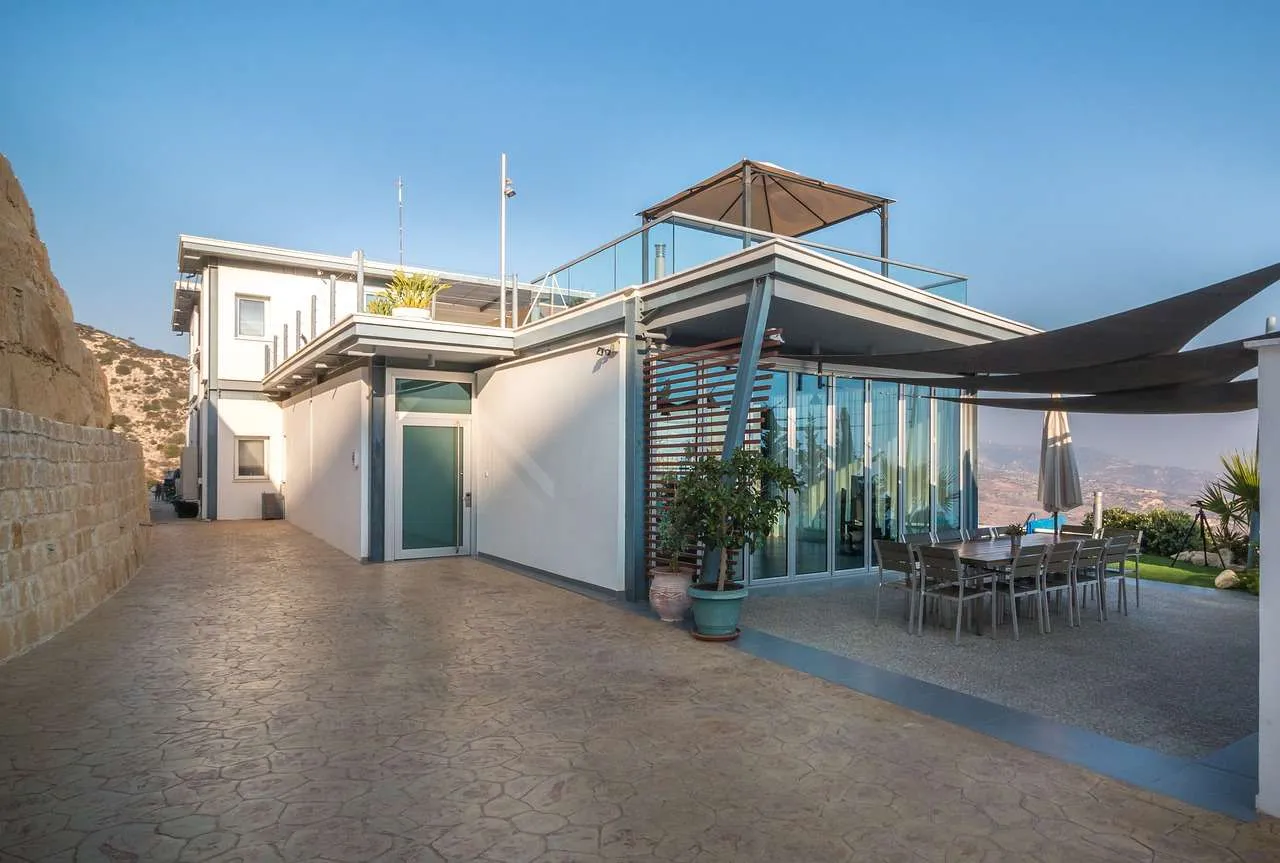
TPO roofing stands for thermoplastic polyolefin, a single ply membrane commonly used on flat and low slope roofs. Made from a blend of polypropylene and ethylene-propylene rubber, TPO membranes are heat welded at the seams to form a watertight barrier. This lightweight, reflective material is a popular choice for residential and commercial projects because it combines durability with energy efficiency and ease of installation.
Benefits of TPO Roofing
Energy Efficiency and Reflectivity
One of the strongest selling points of TPO roofing is its high reflectivity. White or light-colored membranes reflect more solar radiation, which helps keep attic temperatures down, reduces cooling costs, and can contribute to a cooler overall building envelope. Over time this can translate into meaningful energy savings, especially in hot climates.
Durability and Puncture Resistance
TPO membranes are designed to resist tearing, punctures, and damage from weather exposure. Many installations feature reinforcing scrim layers that improve strength, particularly on larger roof surfaces. When properly installed, TPO can provide reliable performance for many years under normal conditions.
Cost and Installation
Compared with some other roofing options, TPO typically offers a favorable balance of cost and performance. The installation is relatively straightforward for trained contractors, which can help keep labor costs reasonable. In addition, a variety of seam welding methods and hardware options give installers flexibility on site.
Environmental Impact and Sustainability
TPO is a manufactured polymer that is often chosen for its potential recycling options and lower embodied energy compared with some alternative membranes. Many manufacturers provide warranties that cover material integrity and seam strength for extended periods, which supports a longer low-maintenance life span.
Considerations and Limitations
While TPO offers many advantages, there are important considerations to keep in mind. The performance of TPO is highly dependent on the quality of the membrane and the installation. Subpar materials or improper heat welding can lead to seam leaks or accelerated aging. Ultraviolet exposure and weathering can affect color and gloss over time, particularly on darker shades. It is essential to choose a reputable contractor with proven experience and access to quality TPO products.
Maintenance is generally light but not zero maintenance. Regular inspections after severe weather, cleaning of debris, and prompt repair of damaged flashing or punctures help preserve performance. Warranty coverage varies by manufacturer and contractor, so understand what is included for both materials and labor, and whether coverage transfers if you sell the property.
Choosing a TPO Roof Contractor
Choosing the right contractor is critical to achieving durable performance. Look for license verification, proper insurance, and references from past projects. Request information about the specific TPO membrane brand, seam welding method, and the installers’ certifications or training. Ask about warranty terms, including what is covered, duration, and whether coverage is prorated. Reputable contractors should provide a detailed written estimate, timeline, and a plan for ventilation and drainage to ensure long-term roof health.
Installation and Maintenance Tips
Prepare for installation by ensuring roof substrates are clean, dry, and free of sharp edges that could damage the membrane. Ensure proper ventilation and edge detailing to prevent heat buildup. During maintenance visits, inspect for loose fasteners, punctures, uplifted edges, and seam integrity. Promptly reseal or replace damaged sections and keep flashings inspected around penetrations such as vents and skylights.
TPO Roofing Compared: Quick Reference
The table below summarizes TPO alongside common roofing alternatives to help you choose based on lifespan, cost, and performance.
| Material | Lifespan | Energy Efficiency | Typical Cost (per sq ft installed) | Pros | Cons |
| TPO | 15–20+ years | High reflectivity | $5.50–$9.50 | Lightweight, heat reflective, flexible | Quality varies by brand; seam integrity critical |
| EPDM | 20–30+ years | Moderate reflectivity | $4.50–$8.50 | Durable, good for complex shapes | Black option absorbs heat unless white |
| Asphalt Shingles | 15–30 years | Low to moderate | $3–$6 | Low cost, easy repairs | Less ideal for flat roofs, shorter lifespan |
| Metal | 40–70+ years | Excellent reflectivity varies by finish | $7–$12 | Extreme durability, long life | Higher upfront cost, installation skill required |
Conclusion and Next Steps
For most flat and low-slope roofs, TPO roofing offers a compelling blend of energy efficiency, durability, and value. Success hinges on material quality, proper seam welding, and experienced installation. When evaluating bids, compare membrane brands, warranty terms, and the contractor’s track record. Combine professional installation with routine maintenance to maximize roof life and performance.
Conclusion, a well-chosen TPO system can reduce cooling loads, deliver reliable protection, and provide a reasonable total cost of ownership. By partnering with a qualified contractor and scheduling regular inspections, homeowners and building owners can enjoy long-term peace of mind and a more sustainable roof.