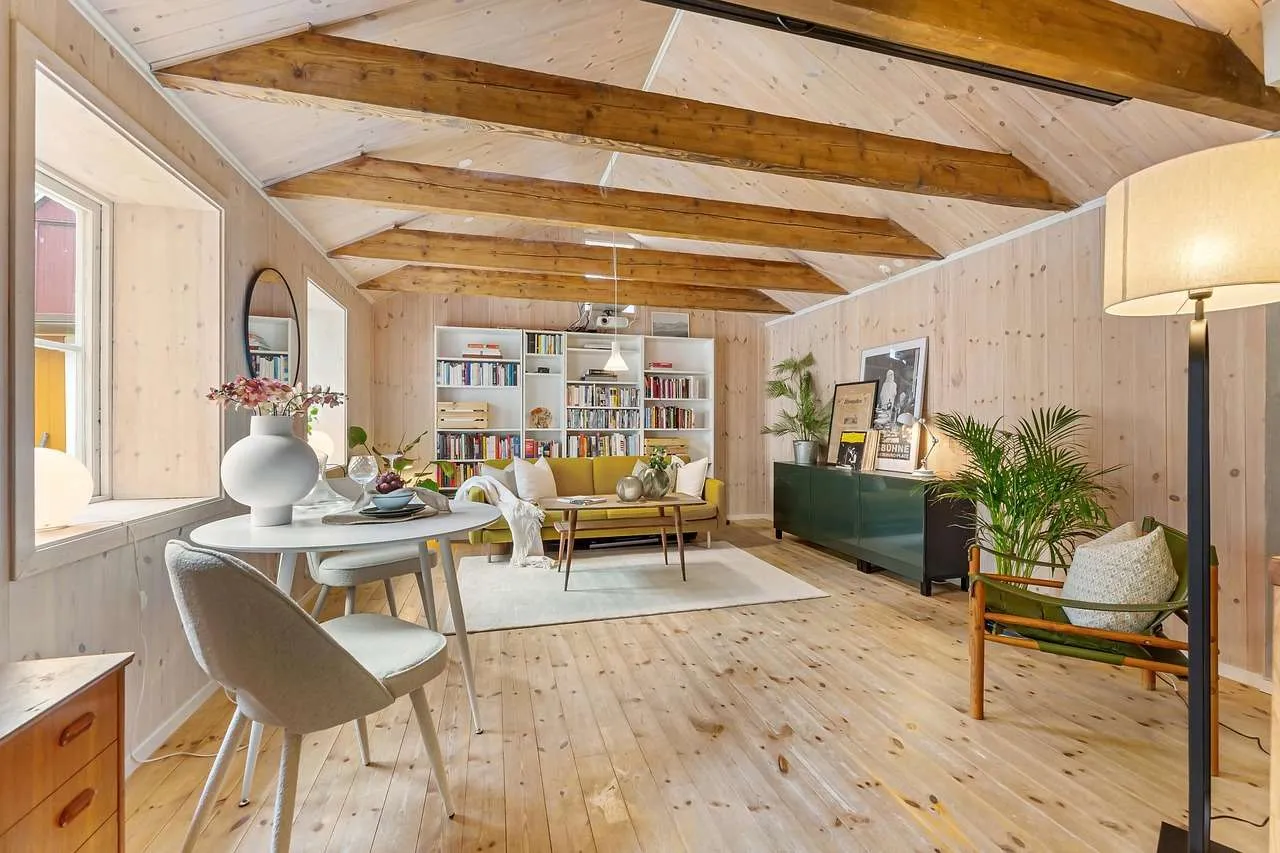
When people search for home window tinting near me, they want local expertise, reliable service, and durable results. A reputable installer can assess your home’s glazing, climate, and sun exposure to recommend films that balance comfort, energy savings, and aesthetics.
What is home window tinting?
Window tinting refers to applying a thin film to the interior surface of glass to reduce heat, glare, and UV rays. Modern films provide infrared heat rejection, which helps keep rooms cooler in summer and reduces the load on cooling systems. Tinting also enhances privacy without dramatically darkening views and can improve safety by keeping shards in place if glass breaks.
Why search for home window tinting near me
Local providers offer on-site consultations, accurate quotes, quick scheduling, and warranties that address your climate and home design. Choosing a nearby installer reduces travel time, ensures easier follow-ups, and allows you to verify references from neighbors or nearby projects. A local specialist is more likely to understand typical sun patterns, angles, and building codes in your area.
Choosing the right shade and film
- Consider the shade level by visible light transmission (VLT): higher VLT for living spaces that still want clear outside views, lower VLT for more privacy and heat control.
- Decide between reflective vs non-reflective finishes based on curb appeal and neighborhood rules.
- Balance heat rejection, UV protection, and signal interference for devices like GPS and cellphones.
- Check warranty terms for fade resistance, adhesion, and color stability.
Types of window tint and how they differ
Understanding film types helps you pick the right solution for energy savings, privacy, and durability. Each type has trade-offs in cost, performance, and appearance.
Dyed tint
Dyed films are an affordable option that improves privacy and reduces glare. They use a layer of dye that darkens the glass but can fade over time and offer moderate heat rejection.
Metalized tint
Metalized films incorporate a reflective metal layer to boost heat rejection and shatter resistance. They provide strong glare control but may interfere with certain electronics and can create a mirrored exterior appearance from the outside.
Ceramic tint
Ceramic films use advanced ceramic particles to deliver high heat rejection and excellent UV blocking without metallic interference. They preserve more natural color, maintain device signal quality, and are known for durability and long-term performance.
Composite tint
Composite films mix dyes, metals, and ceramics to balance cost, performance, and longevity. They offer mid-range heat control and privacy with fewer potential drawbacks than some single-material options.
What to look for when you search home window tinting near me
To avoid surprises, verify credentials and gather details before committing. Look for licensed and insured installers, written warranties on both film and installation, and plenty of local references. Ask for a pre-install survey, a detailed written estimate, and product specifications showing UV and heat rejection ratings. Request samples or a live demonstration of how the film looks on your glass under daylight and evening lighting. A reputable shop will also explain any maintenance requirements and ensure proper surface preparation for optimal adhesion.
Comparison of tint types
| Tint Type | Heat Rejection | UV Block | Privacy | Durability | Cost |
|---|---|---|---|---|---|
| Dyed | Low–Medium | Moderate | Low–Medium | Low | Low |
| Metalized | Medium–High | Very High | Medium | Medium | Medium |
| Ceramic | High | Very High | High | High | High |
| Composite | Medium | High | Medium | Medium | Medium |
How to get started
Reach out to multiple providers for on-site assessments and written quotes. Review their portfolio of completed homes, ask to see a few finished installations, and verify warranty terms. Read independent customer reviews, and confirm installation timelines, prep requirements, and post-install care. A careful comparison helps you lock in value, longevity, and a professional finish that looks great for years.
Conclusion, choosing the right home window tinting near me means evaluating local expertise, film type, and installer qualifications. Prioritize licensed, insured professionals with transparent warranties and verifiable references. By testing samples, comparing shade options, and confirming UV protection, you can reduce energy costs, protect furnishings from fading, and maintain a comfortable, clear view from inside your home.